Self-organisation during collective behaviour
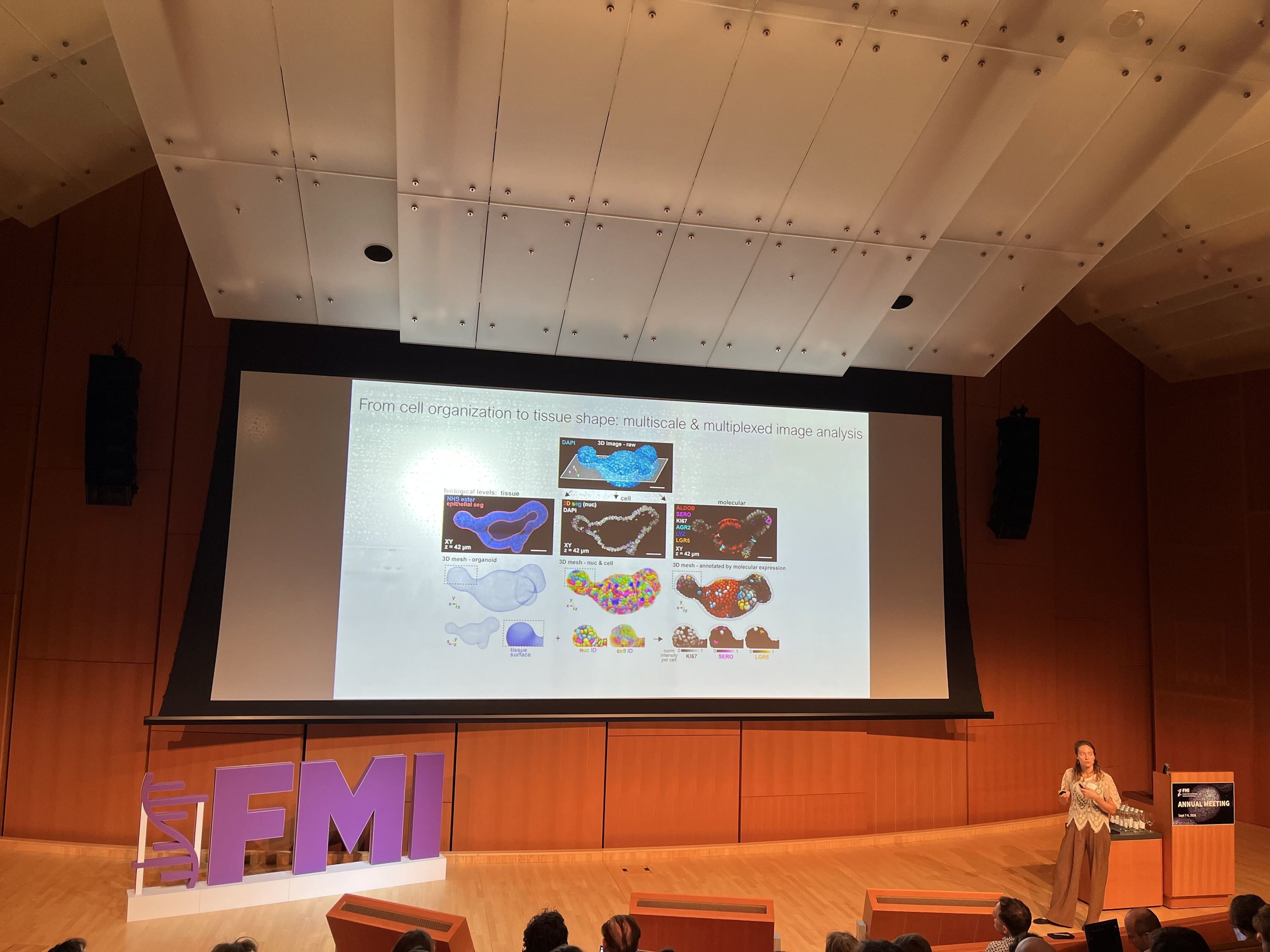
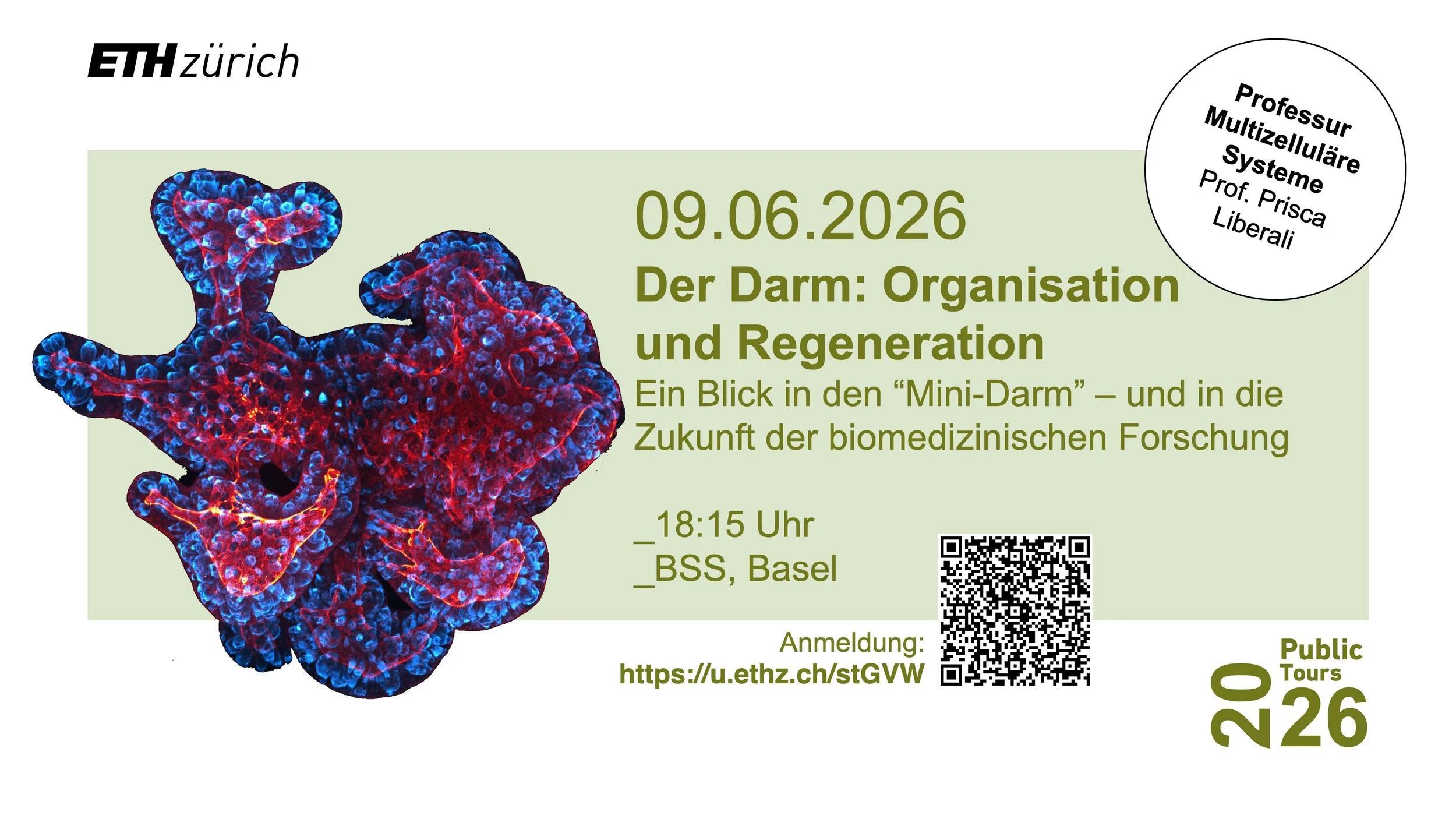
Robust experimental model systems have recently been developed from adult or induced pluripotent stem cells that self-organise into organoid structures in vitro. In particular, intestinal organoids recapitulate most of the spatial and temporal processes of morphogenesis and patterning observed in the intestinal tissue. Starting from a single cell, they provide a unique experimental system in which every cell is fully tractable. This system also allows systematic perturbation by established gene perturbation methods. Our laboratory aims to understand the collective properties of these multi-cellular systems and their patterns, including how such properties arise from single-cell behaviour and organisation. Moreover, we develop and apply experimental and theoretical frameworks for the study of cellular heterogeneity during collective cell behaviour. We use high-content genetic perturbation screens and live-cell imaging with single-cell resolution, combined with advanced quantitative imaging, single cell genomics, and modelling of stem cells.
News